



Day In History
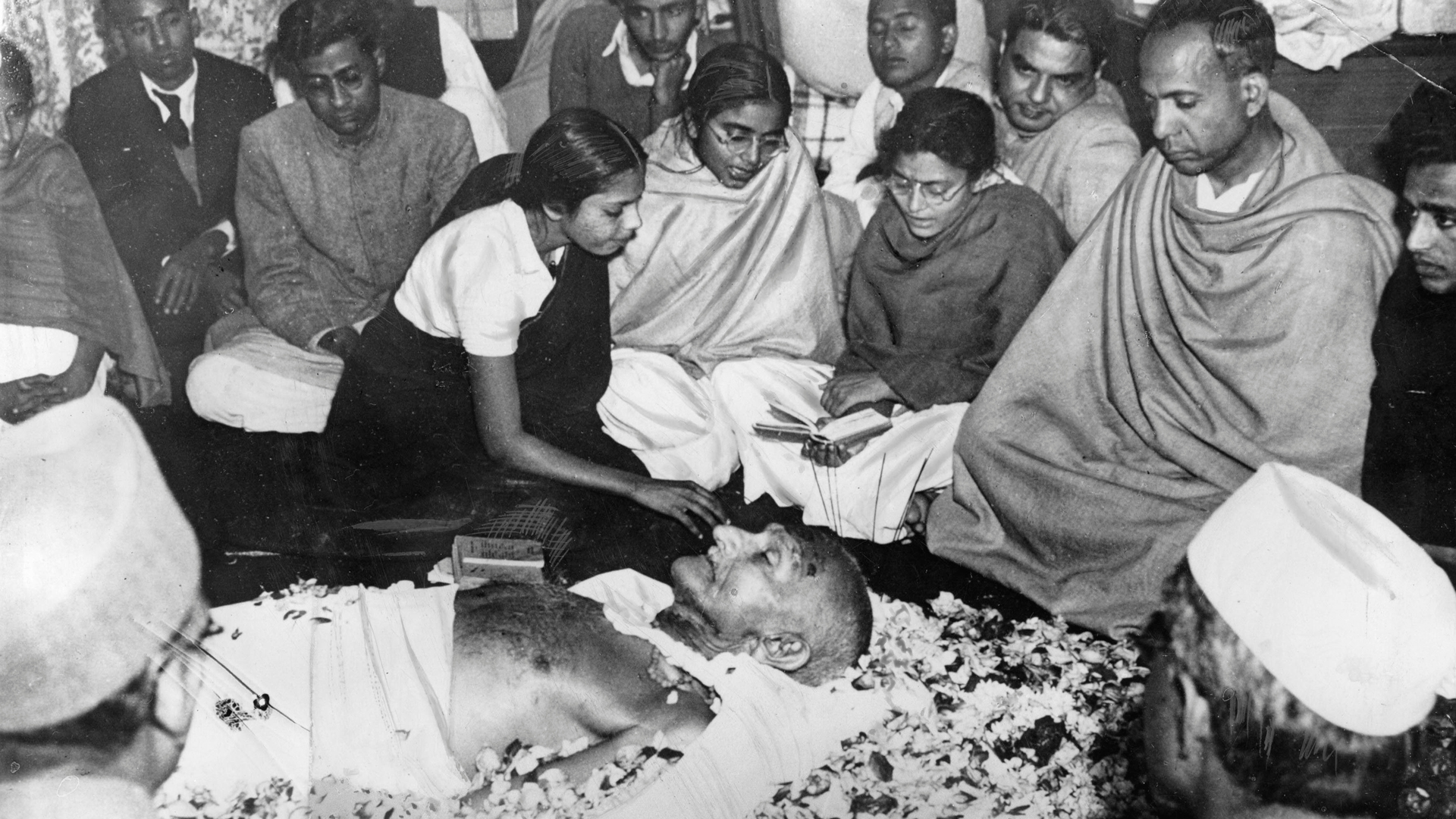
January 30, 1948, remains a day etched in the collective consciousness of India and the world as a day of profound loss and reflection. It was on this fateful day that Mahatma Gandhi, an emblem of non-violence and the spearhead of India’s struggle for independence, was assassinated. Gandhi’s death not only left a void in
Read More
 355355 Views
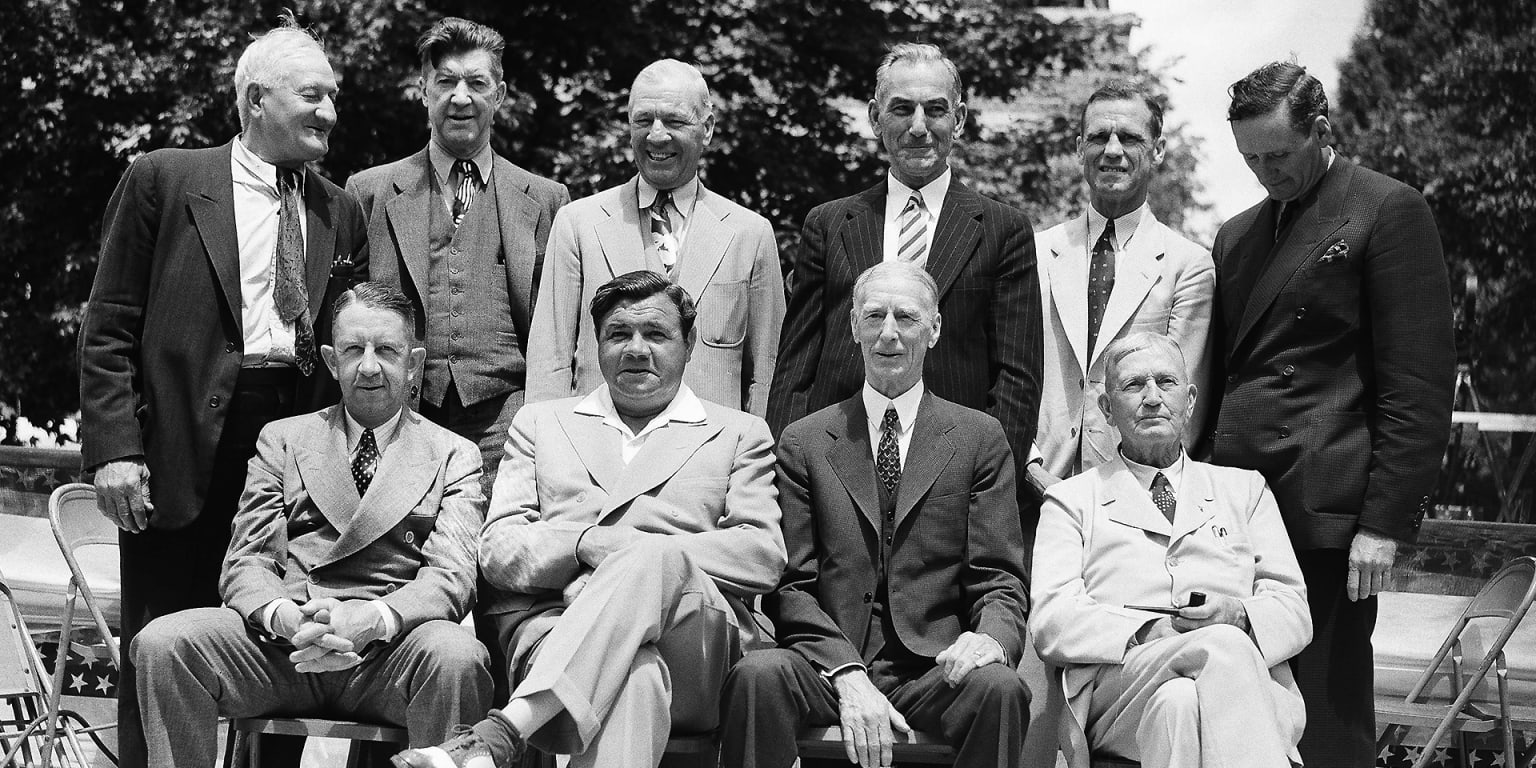
On January 29, 1936, a significant chapter was added to the annals of American sports history. This was the day the U.S. Baseball Hall of Fame elected its first members, recognizing the legends who had shaped America’s national pastime. Located in Cooperstown, New York, the Hall of Fame was more than just a repository of
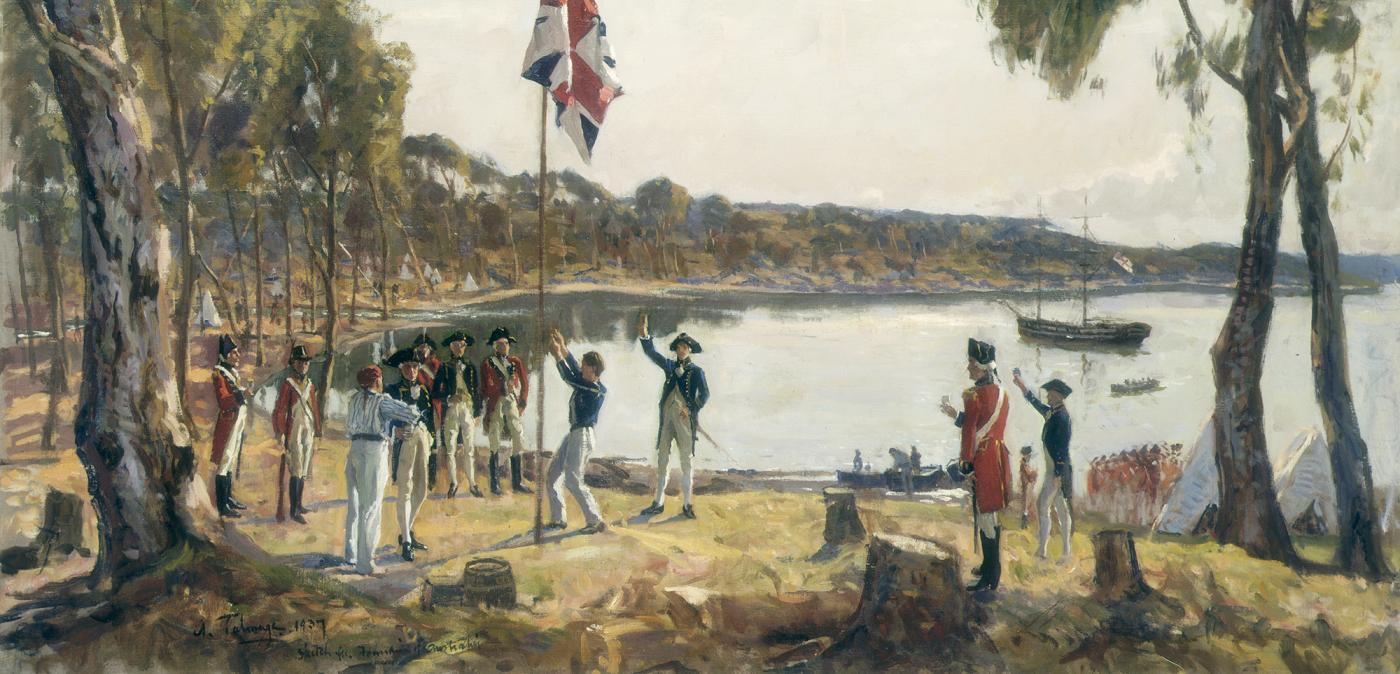
Read More598598 ViewsJanuary 26, 1788, marks a pivotal date in the annals of both British and Australian history. It was on this day that the First Fleet, a convoy of British ships, arrived at Port Jackson in New South Wales, laying the foundations for the first European settlement in Australia. This event not only signified the beginning
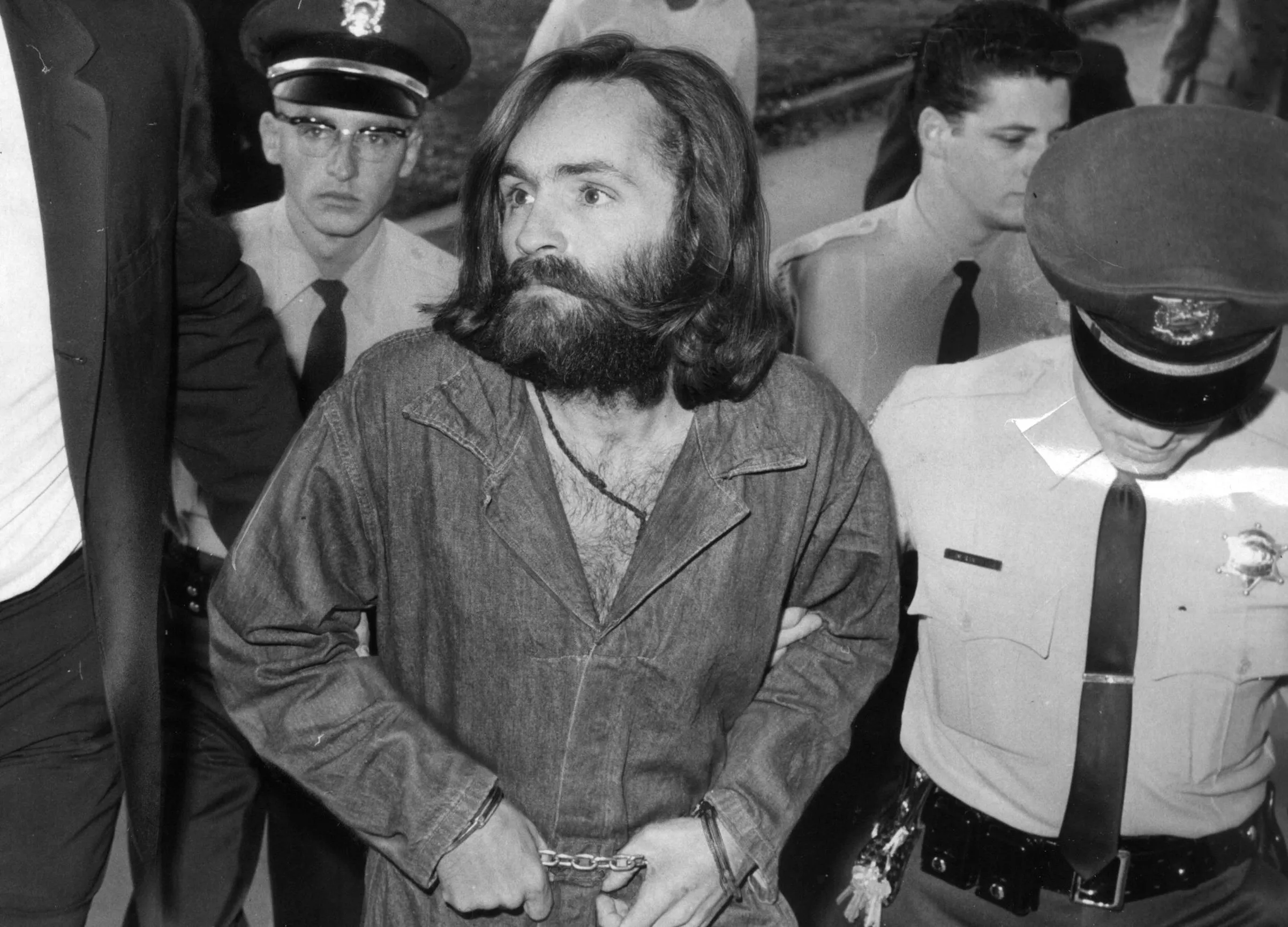
Read More1.6K1.6K ViewJanuary 25, 1971, marked a chilling conclusion to one of the most notorious criminal cases in American history. On this day, Charles Manson and several of his followers were convicted of murder and conspiracy in a case that had shocked and captivated the nation. The Manson Family, as his followers were known, were responsible for
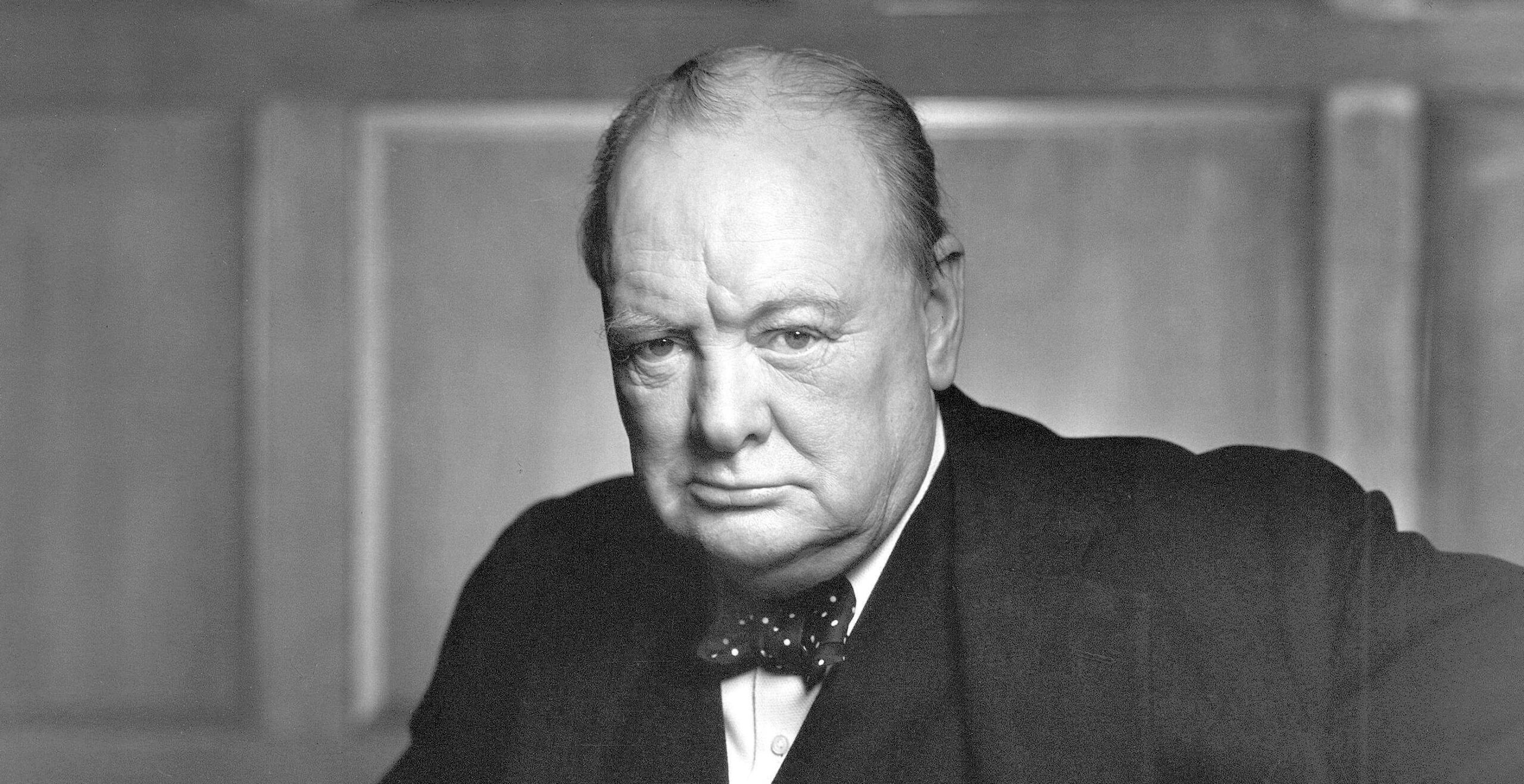
Read More752752 ViewsJanuary 24th holds a significant place in modern history, marking the day in 1965 when Sir Winston Churchill, one of the most towering figures of the 20th century, passed away. Churchill, known for his indomitable spirit, sharp wit, and resolute leadership during the darkest hours of World War II, left behind a legacy that continues
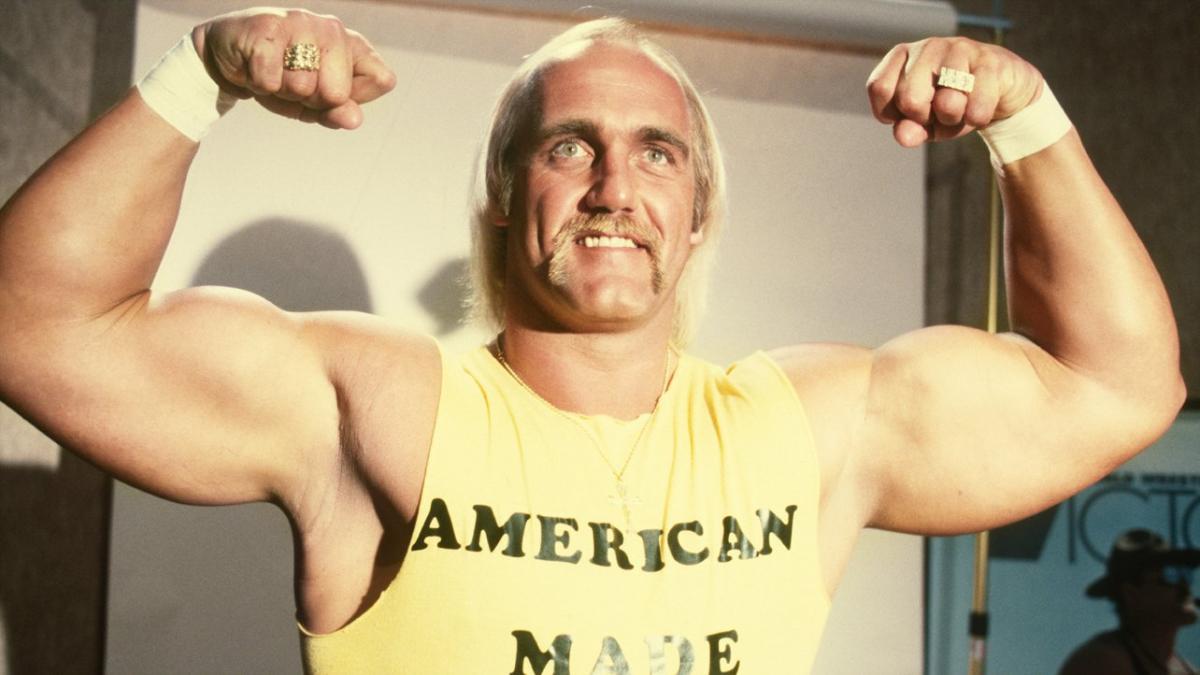
Read More1.1K1.1K ViewJanuary 23, 1984, marked a significant turning point in professional wrestling history. It was on this day that Hulk Hogan, an iconic figure in the world of sports entertainment, defeated the Iron Sheik to win his first World Wrestling Federation (WWF) title. This momentous victory at Madison Square Garden not only catapulted Hogan to superstardom
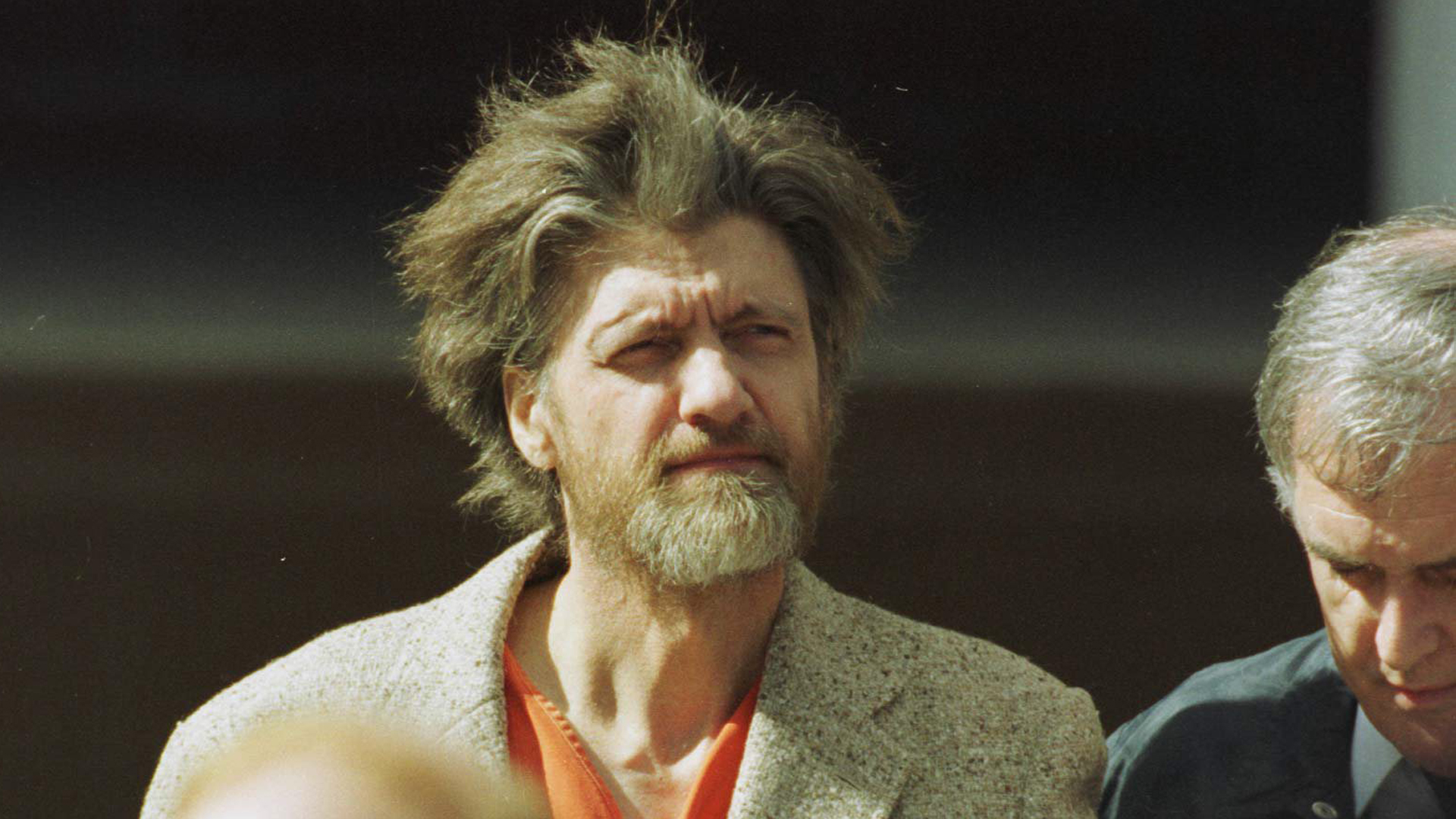
Read More553553 ViewsJanuary 22nd 1998, marks a significant date in the annals of American criminal history. On this day in 1998, Theodore “Ted” Kaczynski, better known as the Unabomber, entered a guilty plea to a series of bombings that had terrorized the United States for nearly two decades. Kaczynski’s plea brought an end to a saga that
Read More456456 ViewsJanuary 19, 2004, will forever be remembered as the day of “The Howard Dean Scream” – a moment that dramatically altered the course of an American presidential campaign. In the heat of the 2004 Democratic primary race, Howard Dean, the former Governor of Vermont, delivered an impassioned speech that concluded with an enthusiastic and unusually
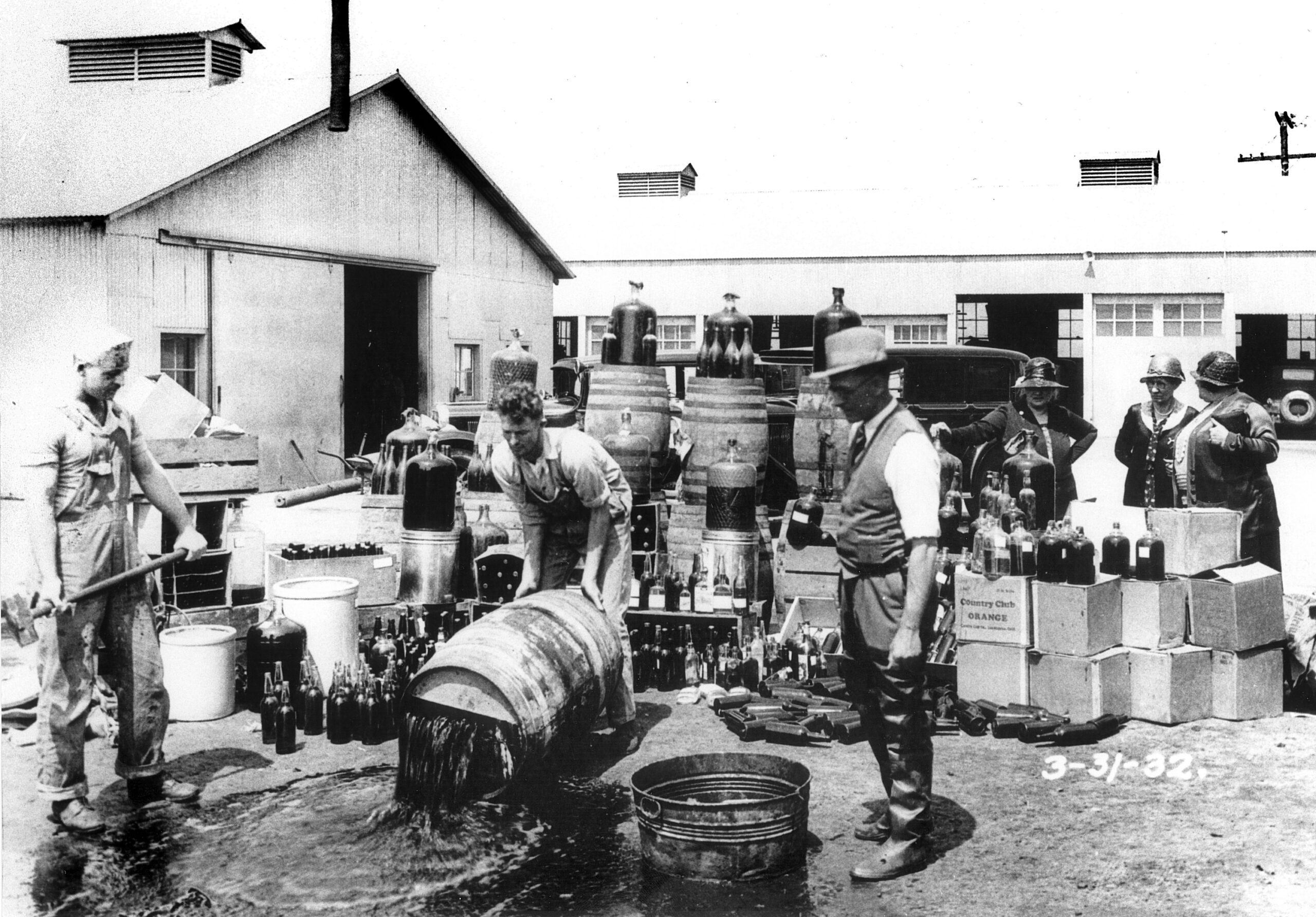
Read More555555 ViewsJanuary 17th marks a significant day in American history, for it was on this day in 1920 that Prohibition began, ushering in a unique and tumultuous era. The 18th Amendment to the United States Constitution, along with the Volstead Act, prohibited the manufacture, sale, and transportation of alcoholic beverages. This ambitious social experiment aimed to
Read More0.9K0.9K ViewsJanuary 16, 1991, marked the onset of a conflict that would dramatically reshape the geopolitical landscape of the Middle East and ripple through global politics – the Persian Gulf War. This war, also known as Operation Desert Storm, commenced with a massive U.S.-led air offensive against Iraq, following Iraq’s invasion of Kuwait. It was a
Read More706706 Views